
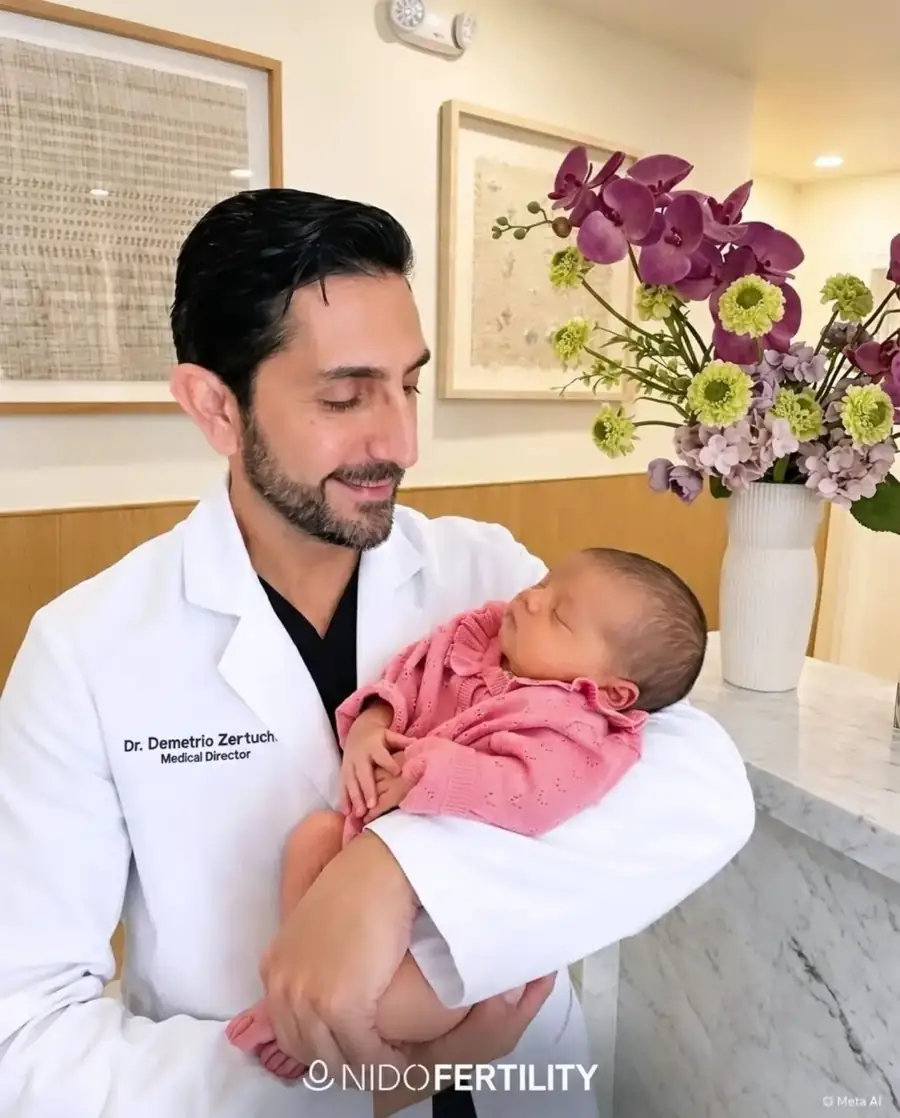
Following his participation in the ASRM 2026 Congress, Dr. Demetrio Zertuche highlights advances in artificial intelligence, the updating of international protocols, and the challenges currently facing reproductive medicine.
TIJUANA, Baja California — Tijuana continues to consolidate its position as a leading destination for reproductive medicine, driven by its border location, its care for both domestic and international patients, and its adoption of clinical protocols grounded in medical practice in the United States and Europe. So said Dr. Demetrio Zertuche as he shared his impressions after taking part in the 2026 Congress of the American Society for Reproductive Medicine (ASRM), one of the leading international meetings in the specialty.
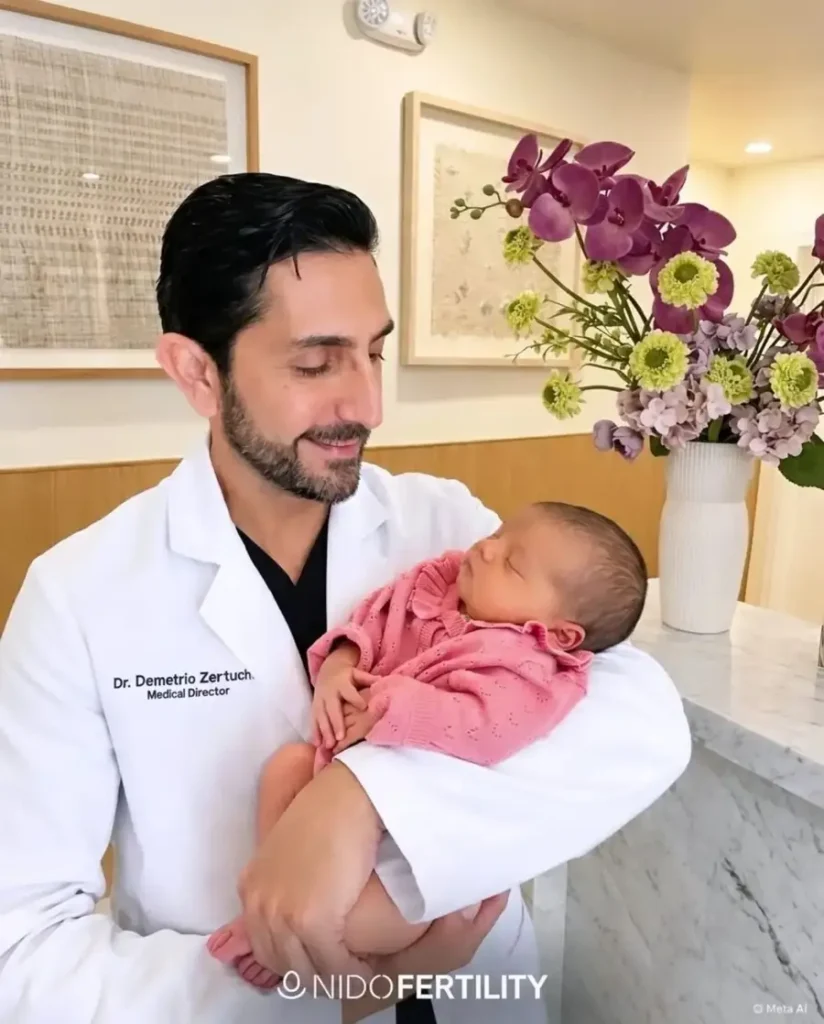
Dr. Demetrio Zertuche, Medical Director of Nido Fertility in Tijuana, Baja California. Photo: Nido Fertility.
During an interview with Tijuana Medical News, the specialist emphasized that the evolution of reproductive medicine does not depend solely on adopting new equipment or procedures. It also requires strengthening the doctor-patient relationship and understanding the emotional and psychological impact that fertility treatments can have on those who wish to start a family.
Artificial Intelligence as Clinical Support
One of the topics transforming the field is the incorporation of artificial intelligence tools into medical care, patient follow-up, and laboratory processes. According to Zertuche, these technologies can help optimize procedures, organize follow-up, and bring greater precision to different stages of treatment.
The specialist stressed that artificial intelligence should be understood as a tool that supports medical judgment, not as a substitute for the healthcare professional. Its implementation, he explained, aims to contribute to more efficient and personalized processes, always within clinical protocols and under specialized supervision.
“It is very focused on the human treatment of the patient, and on top of that, the technology side is also coming on very strong.” — Dr. Demetrio Zertuche, on current trends in reproductive medicine
International Protocols and Patient Trust
The scientific exchange that takes place at congresses such as ASRM provides exposure to research, devices, updates, and new practices that can later be evaluated for clinical application. Zertuche explained that Tijuana has used internationally based protocols for years, and that continuous updating is important to maintaining the quality of care.
Proximity to the United States is also an advantage for medical tourism, making it easier for patients seeking care alternatives to access the region. For the specialist, trust must be built through clear information, quality processes, ongoing support, and care that makes people feel safe and comfortable throughout their treatment.
Age and the Postponement of Motherhood and Fatherhood
Among the clinical and social challenges, the doctor pointed to the postponement of motherhood and fatherhood. It is increasingly common for individuals or couples to seek reproductive care around age 35, 40, or older. Age can have a significant influence on fertility, which makes individualized assessment and timely medical guidance essential.
In light of this reality, scientific advances and updated protocols can offer tools to guide treatment options, although results depend on each patient’s clinical circumstances and cannot be guaranteed across the board.
An Invitation to Get Informed and Seek Specialized Care
As a message for those who want to become pregnant and are facing difficulties, Zertuche encouraged them to visit specialized centers and request a professional evaluation. He stated that Tijuana has the technology and experience to perform a range of assisted reproduction procedures, and underscored the importance of patients knowing their options and receiving quality care.
Participation in international meetings such as ASRM, he concluded, keeps the dialogue open between global research and local medical practice. For Tijuana, the challenge is to keep integrating innovation, scientific updating, and human-centered care—three key elements for strengthening its presence on the international reproductive medicine stage.
Editorial note prepared from an interview with Dr. Demetrio Zertuche. Information about treatments and outcomes should be confirmed with healthcare professionals; it does not constitute individual medical advice.