
Lee este artículo en español: Turismo médico en Tijuana, rumbo a un fuerte crecimiento hasta 2029
🎧 Listen to the podcast: Turismo médico en Tijuana, rumbo a un fuerte crecimiento hasta 2029 (episode in Spanish, 12 min)
TIJUANA, Baja California — Tijuana’s medical tourism industry is heading into the next three years with new investment, a changing mix of patients and a forecast that puts Baja California at the front of Mexico’s growth.
The state already receives 2.8 million to 3 million health tourism patients a year, about 7,500 a day, according to state tourism officials. A new market forecast projects Mexico’s medical tourism sector will grow 9.2% a year, from US$6.5 billion in 2026 toward US$11 billion by 2032. Industry leaders say the rebound will depend on shorter border waits, better security and stronger regulation.
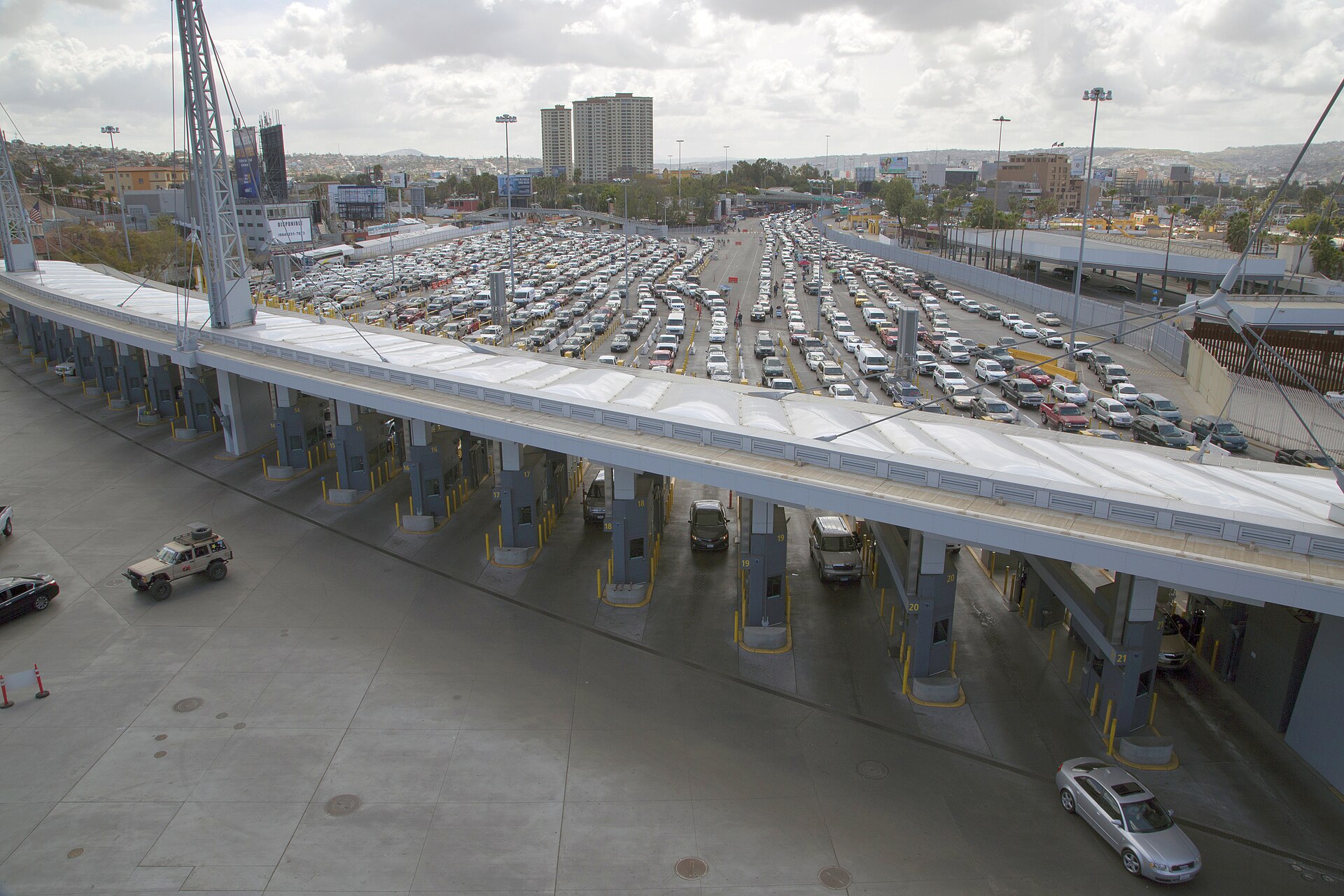
Vehicles cross from Tijuana into the United States at the San Ysidro Port of Entry. Border wait times are one of the biggest factors in whether patients make the trip. Photo: U.S. Customs and Border Protection (public domain).
Where the market stands today
Baja California now receives between 2.8 million and 3 million health tourism patients a year, according to the state Tourism Ministry. More than two-thirds of them are treated in Tijuana.
“We are talking about roughly 7,500 people crossing every day.”
— Arón Ureña Zaragoza, State Coordinator of Health and Wellness Tourism (El Imparcial, translated)
Most patients come from north of the border. California accounts for 36.2% of visitors, other U.S. states for 22.4%, Arizona for 8.2% and Canada for 3%, according to state figures reported by Grupo Animal. The state also reports a 91% patient satisfaction rate.
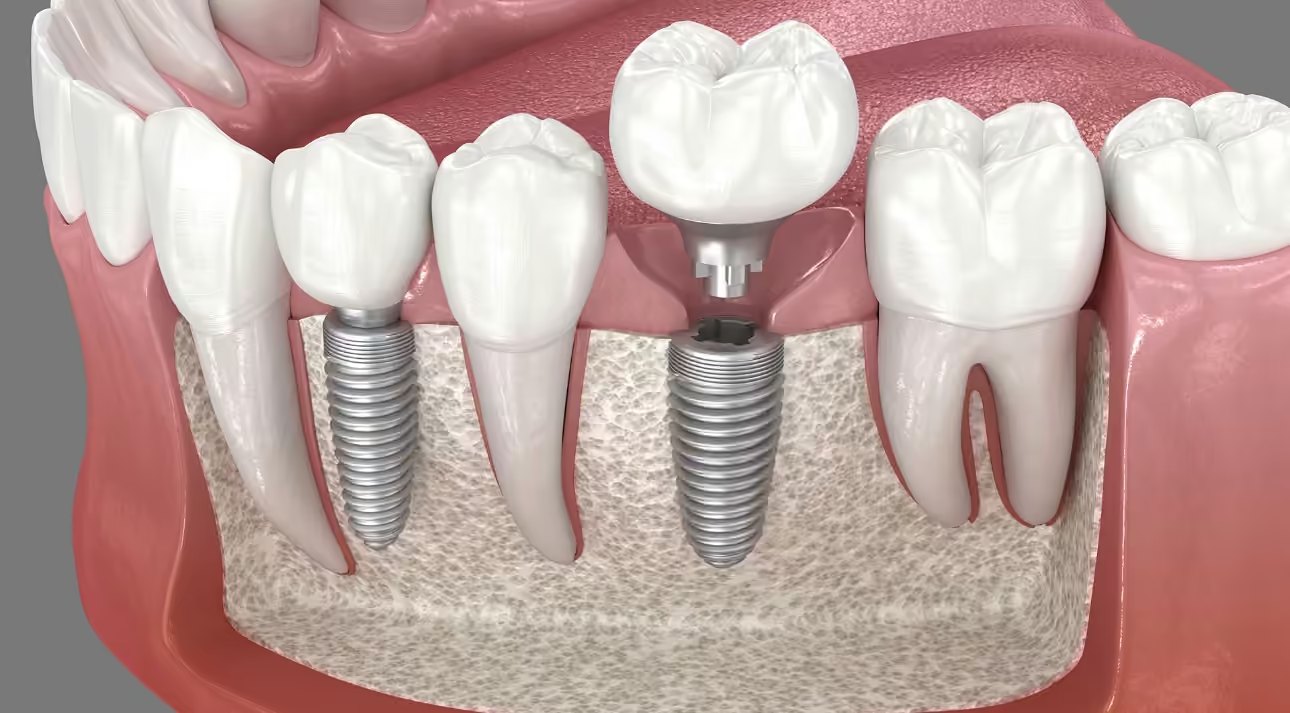
Dentistry is the single largest draw, making up 50% to 60% of medical tourism patients. “Dentistry is still the queen,” said Fabián Walters, president of the Baja Health Cluster (Grupo Animal, translated). Plastic surgery remains in high demand, and Walters said orthopedics and cardiology are also picking up.
Officials caution that the numbers are estimates. Ureña said the ministry is building a tool to produce official data, because figures reported by different groups do not match.
The three-year outlook
The newest market forecast points to steady growth, with Baja California leading the country. Market research firm Mobility Foresights, in a report updated October 27, values Mexico’s medical tourism market at US$6.5 billion in 2026. It projects US$11 billion by 2032, a compound annual growth rate of 9.2% (Mobility Foresights).
At that pace, the national market would reach roughly US$8.5 billion by 2029, about 30% above today. That figure is a Tijuana Medical News calculation based on the firm’s growth rate, not a number the firm published.
The same report ranks Baja California as the region with the highest growth outlook in Mexico, driven by Tijuana and Los Algodones’ proximity to California and Arizona. It names Tijuana and Los Algodones among the country’s main dental destinations.
| Measure | Figure |
| Mexico medical tourism market, 2026 | US$6.5 billion |
| Forecast, 2032 | US$11 billion |
| Annual growth rate, 2026–2032 | 9.2% |
| Implied market, 2029 (TMN calculation) | About US$8.5 billion |
Investors are already building for that demand. About 45 investment projects in hospitals, lodging and recovery centers are under way across Baja California, said Atzimba Villegas Pérez, president of the Baja California Health Tourism Association, in March (El Imparcial). She said Tecate, Rosarito and Ensenada are also adding hospitals and patient complexes.
Forecasts should be read with care. Research firms define the market differently, and published estimates for Mexico vary widely.
What is driving demand
Cost and distance remain Tijuana’s biggest advantages. A patient can cross at San Ysidro, see a specialist and be back in California the same day, often paying a third to a half of U.S. prices for the same procedure, according to Mobility Foresights.
Industry leaders say economic pressure in the United States is pushing more patients south. “The United States is facing an economic recession and people are turning to Mexico,” said Atzimba Villegas Pérez, now president of the International Medical Tourism Coalition, in late October (El Imparcial, translated).
Three trends are expected to shape growth through 2029:
- Aging baby boomers. Villegas Pérez said the sector is preparing for potential demand from more than 7 million retiring baby boomers, along with the wider wellness market.
- A shift in specialties. Dentistry, plastic surgery, orthopedics and cardiology are gaining ground. Bariatric surgery has fallen 50% to 70% as weight-loss drugs spread, according to industry estimates reported by El Imparcial.
- New capacity and promotion. Hospitals, clinics and recovery centers keep opening, and the state is marketing directly in Southern California, including outreach to about 80 Mexican migrant organizations, according to Ureña.
The local industry is also coming off a hard stretch, which leaves room to recover. Ricardo Vega Montiel, a plastic surgeon and Cotuco board member, said demand fell more than 50% from late 2024 through 2025 (El Imparcial). He blamed the global economy, political uncertainty and security concerns, and said the sector expects a gradual recovery.
The risks to growth
Not everyone expects a full rebound. Fabián Walters Arballo of the Baja Health Cluster said in October that the sector may never return to the patient levels of past years (El Imparcial).
He pointed to four pressures:
- Fewer bariatric patients. Tijuana once performed 300 to 600 bariatric surgeries a day, Walters said. Those patients also brought companions who booked dental and cosmetic work. “When bariatric surgery falls, the natural flow of patients falls,” he said (translated).
- Border waits. Entering Tijuana can take up to two hours, and returning to the United States up to five hours.
- Immigration policy and the U.S. economy. Both weigh on whether patients decide to travel.
- U.S. insurance changes. Some American insurers now cover bariatric procedures they once excluded, reducing the incentive to cross.
Oversight is a second concern. Ureña said many post-surgical recovery houses operate with no registered business name, which limits inspections. “Cofepris cannot enter, cannot act” without one, he said, referring to Mexico’s federal health regulator (translated).
Officials are moving to raise standards. Mexico’s federal Tourism Ministry has formed an inter-agency committee on medical tourism, and a proposed Medical Tourism Law remains in committee in the Chamber of Deputies, Walters said.
What it means for patients
For patients, the next three years are likely to bring more choice and more scrutiny. New hospitals and specialties are expanding the menu beyond dental and cosmetic care, while regulators and industry groups push for certification.
Patients planning treatment should check that a clinic is licensed by Cofepris, confirm the surgeon’s board certification and ask how follow-up care will work once they are home. Planning around peak border hours can also save time on the trip back.
The bottom line: Tijuana’s location and prices are not going away, and forecasters expect Baja California to lead Mexico’s growth. How fast that growth comes will depend on shorter border lines, safer travel and stronger oversight.
Sources
- El Imparcial — Baja California health tourism receives up to 3 million patients (July 14, 2026)
- El Imparcial — 45 medical tourism infrastructure projects under way (March 11, 2026)
- El Imparcial — Medical tourism seeks recovery after drop in demand (April 17, 2026)
- El Imparcial — Medical tourism shifts: dental grows, bariatric falls up to 70% (July 19, 2026)
- El Imparcial — Bariatric surgeries fall up to 70% and slow medical tourism (October 13, 2026)
- El Imparcial — Baja California medical tourism keeps its appeal (October 31, 2026)
- Grupo Animal — Dentistry accounts for up to 60% of medical tourism (October 12, 2026)
- Grupo Animal — Where Baja California’s health tourists come from (September 18, 2026)
- Mobility Foresights — Mexico Medical Tourism Market forecast to 2032 (updated October 27, 2026)
Quotes from Spanish-language sources were translated by Tijuana Medical News. Market forecasts are estimates and may change. This article does not constitute individual medical advice.