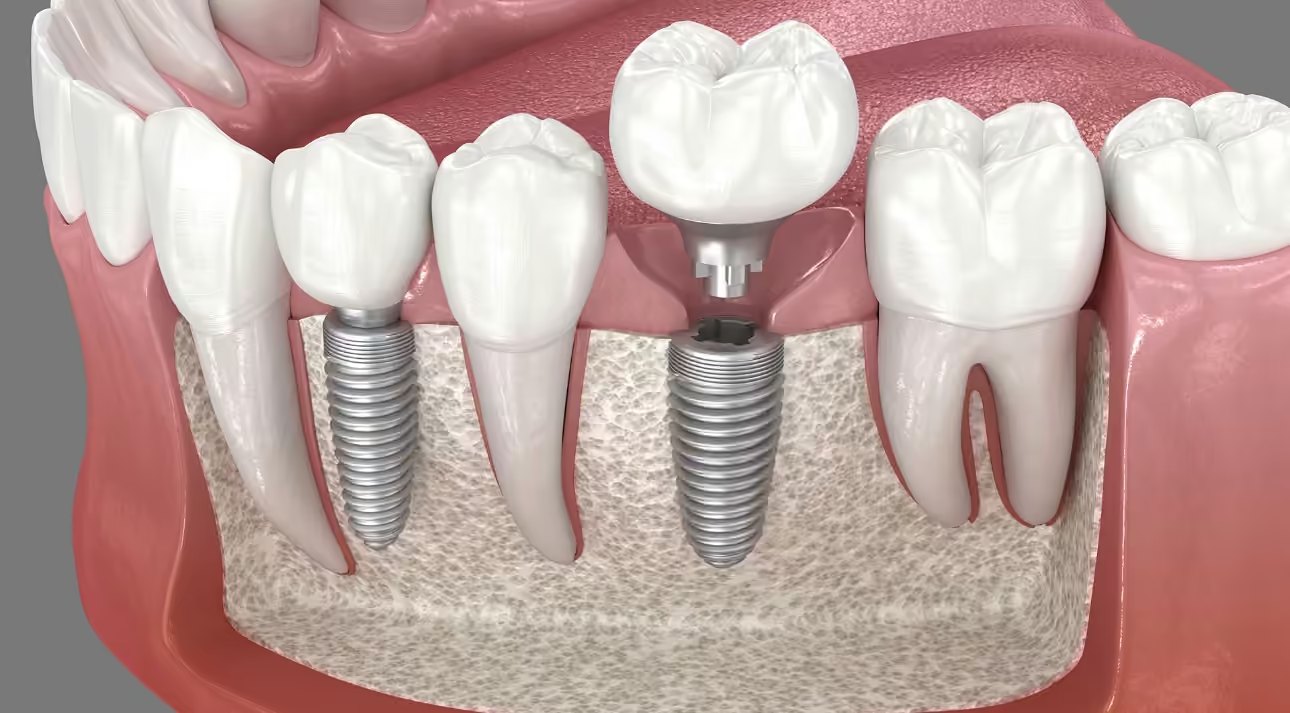

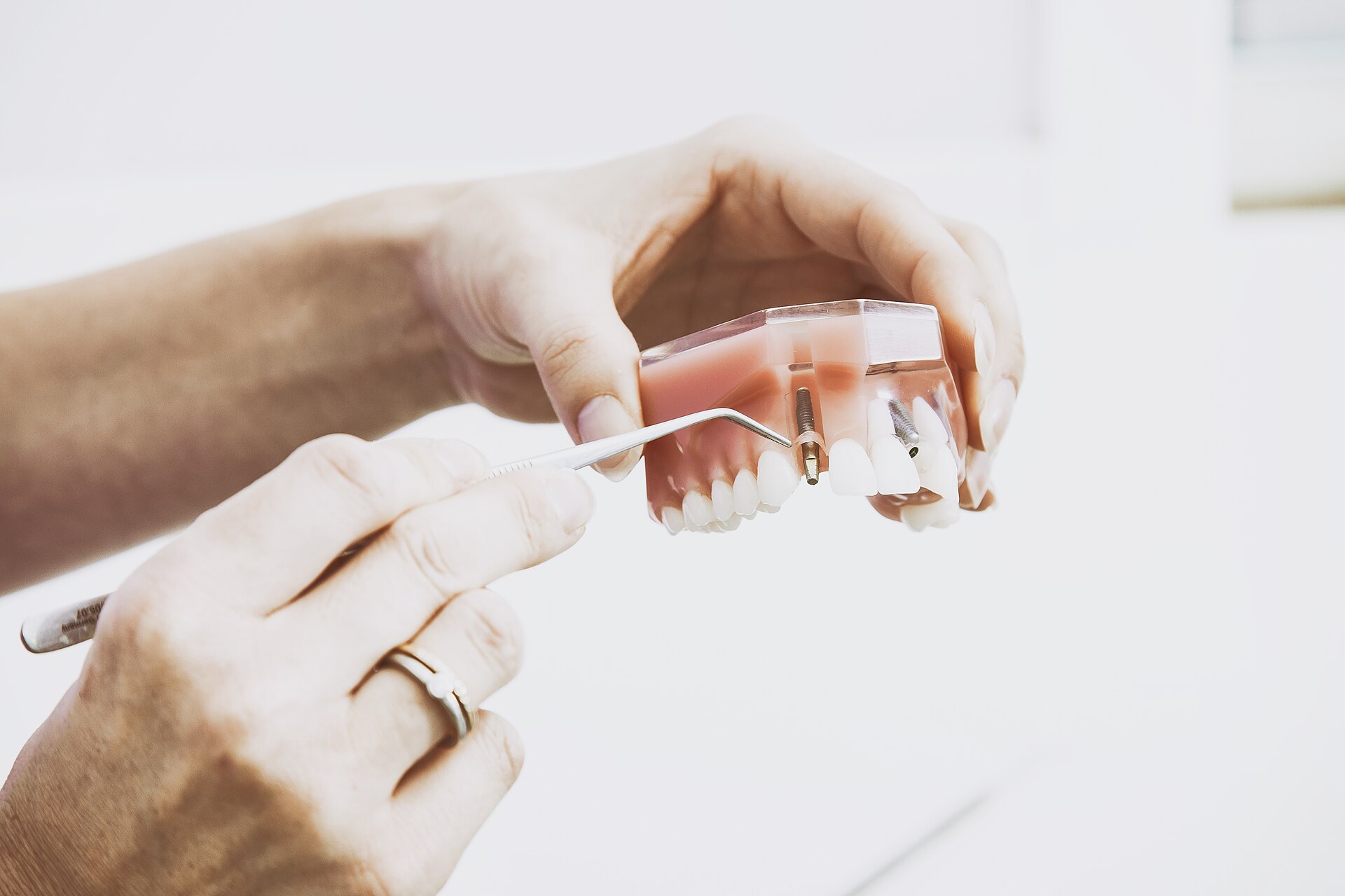
Why do infections around dental implants so often shrug off antibiotics? A new Rutgers study suggests the implant itself is part of the answer. Researchers at the Rutgers School of Dental Medicine found that bacteria can corrode titanium implants, shedding microscopic metal particles that confuse the immune system and speed up jawbone loss, Science News reported on October 23, 2026. The work was published in PNAS Nexus.
The problem: peri-implantitis
An estimated 10% to 20% of implant patients eventually develop peri-implantitis, an infection that destroys the bone holding the implant in place. It starts with the same mouth bacteria that cause gum disease around natural teeth. But while antibiotics plus professional cleaning usually work for natural teeth, they succeed in fewer than half of implant cases. The condition costs health systems worldwide more than $1 billion a year.
What the researchers found
- Bacteria corrode the metal: Acidic bacterial biofilms on the implant surface slowly wear away the titanium, releasing particles smaller than a red blood cell.
- Particles act as decoys: The particles pick up a bacterial toxin (lipopolysaccharide), so immune cells called macrophages treat them like bacteria they can never digest.
- Immune cells get stuck: The macrophages stay locked in heavy inflammation, release large amounts of the inflammatory signal interleukin-1 beta, and break down bone. In lab tests they cleared less than half as many bacteria as normal.
- A drug target emerges: The team traced the reaction to TRPC1, a calcium channel in macrophages. Mice bred without TRPC1 had much smaller abscesses, less inflammation, and cleared bacteria normally.
Senior author Georgios Kotsakis, assistant dean for clinical research at Rutgers, said the study shows for the first time why antibiotic treatments that work around teeth fail around implants, and that knowing the cause opens the door to new therapies. With National Institutes of Health funding, his team is now testing drugs that act on the same pathway in human cells.
What it means for implant patients
The findings are early and any new treatment is still years away. For now, the researchers stress that regular professional cleaning remains the best protection against peri-implantitis, and that how implants are cleaned matters. Metal scalers designed for natural teeth can scratch titanium and release more particles; non-abrasive methods are now standard. Patients who travel to Tijuana for implants, or get them anywhere, can ask:
- What instruments do you use to clean around implants at check-ups?
- How often should I come in for implant maintenance?
- What signs of peri-implantitis (bleeding, swelling, bone loss on X-rays) should I watch for?
- Who will handle my follow-up care once I am back home?
Resumen en español
Un estudio de la Universidad Rutgers, publicado en PNAS Nexus, explica por qué las infecciones alrededor de los implantes dentales (periimplantitis) resisten a los antibióticos: las bacterias corroen el titanio y liberan partículas microscópicas que bloquean a las células inmunitarias, causan inflamación y aceleran la pérdida de hueso. Los investigadores identificaron el canal de calcio TRPC1 como posible blanco para nuevos medicamentos. Mientras tanto, la limpieza profesional regular con instrumentos no abrasivos sigue siendo la mejor protección.
Source: “Dental implants can hijack your immune system, scientists discover,” Science News (ScienceDaily, materials from Rutgers University), October 23, 2026. Journal reference: Girón Bastidas J, et al. “Implant-derived titanium particles impair macrophage bacterial clearance via TRPC1 and lysosomal dysfunction.” PNAS Nexus, 2026; 5(4). DOI: 10.1093/pnasnexus/pgag081.
This article is for general information and is not medical advice.