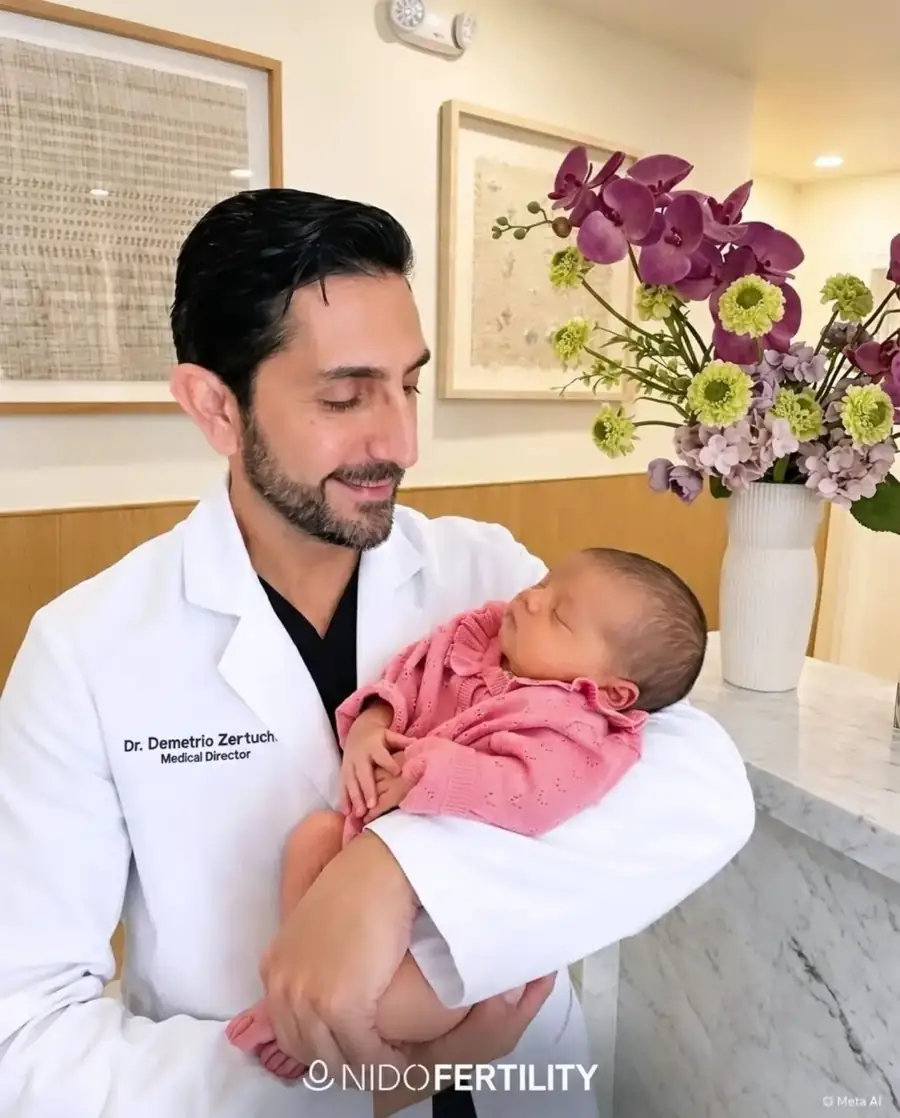

For the first time, more than 100,000 babies were born through in vitro fertilization (IVF) in the United States in a single year. The Society for Assisted Reproductive Technology (SART) and the American Society for Reproductive Medicine (ASRM) announced the milestone based on 2024 national data.
The numbers
- 449,772 IVF treatment cycles were reported by SART-member clinics.
- 97,549 cycles resulted in a live birth.
- 100,158 babies were born in total.
Safer outcomes: mostly single births
More than 97% of IVF births were singletons. Twins made up about 2.6% of births, and triplets were extremely rare at 0.04%. That matters because twin and triplet pregnancies carry higher risks for both mother and babies. The low rate reflects the widespread practice of transferring a single embryo.
Growing demand
ASRM highlighted the milestone during National Infertility Awareness Week in April 2026, calling for greater awareness, less stigma and wider access to fertility care.
Why it matters for Tijuana
Many U.S. patients look to Tijuana for fertility treatment because IVF can cost much less in Mexico. The U.S. data shows how mainstream and safe IVF has become. If you are considering treatment across the border, ask clinics for:
- Their live birth rates by age group
- Their policy on single embryo transfer
- Embryology lab certifications and COFEPRIS authorization
- How they coordinate monitoring with your doctor at home
Resumen en español
Por primera vez, más de 100,000 bebés nacieron por fertilización in vitro (FIV) en Estados Unidos en un solo año, según datos de 2024 de SART y ASRM. Las clínicas reportaron 449,772 ciclos y 100,158 nacimientos. Más del 97% fueron embarazos de un solo bebé, lo que refleja prácticas más seguras como la transferencia de un solo embrión. Para pacientes que consideran tratamiento en Tijuana, se recomienda pedir tasas de nacimiento por edad y verificar la autorización de COFEPRIS.
This article is for general information and is not medical advice.